Skip to content
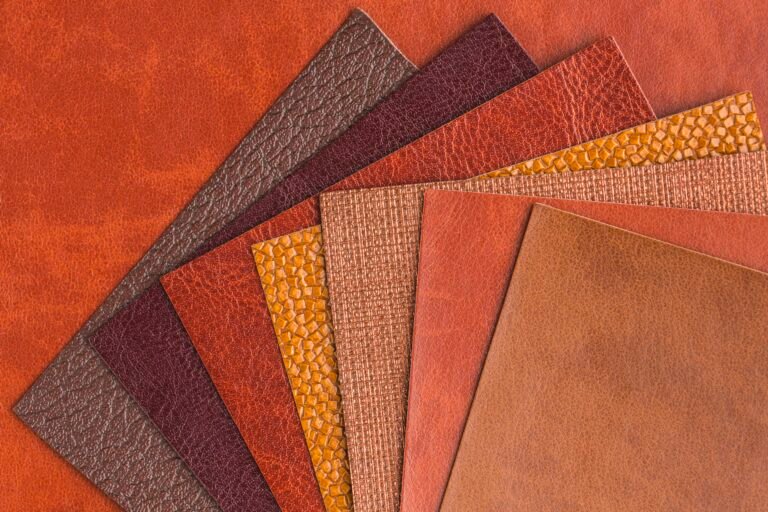
PU leather is a synthetic material made by coating a fabric or split leather backing with a layer of polyurethane (PU). Manufacturers use it as a lower-cost alternative to genuine leather in furniture, shoes, bags, and apparel. PU leather offers 6 main benefits: a lower price, easier cleaning, a wider range of colors, water resistance, a smooth uniform surface, and a vegan-friendly composition in its 100% synthetic form.
Brands use PU leather in office chairs, sit to stand desks, sofas, footwear, automotive interiors, and handbags. The material has 3 core parts: a base fabric layer, a polyurethane coating, and in some variants, a layer of split cowhide beneath the coating. This guide covers what PU leather is made of, how it compares to genuine leather and other alternatives, how long it lasts, how factories test it, and how to identify and care for it.
What Is PU Leather?
PU leather is an artificial leather made by applying a polyurethane finish to a backing material, usually polyester or cotton fabric. Manufacturers produce it as a substitute for genuine leather because it costs less and offers more consistent color and texture. The polyurethane layer sits on top of the backing and creates a surface that looks like natural leather grain.
What Does PU Mean in Leather?
PU stands for polyurethane, a thermoplastic polymer used to coat fabric or leather splits. Polyurethane forms a flexible plastic layer that manufacturers emboss with a grain pattern to mimic the texture of genuine leather. The term “PU leather” refers to this coated material, not to real animal hide.
Is PU Leather Real Leather?
No, 100% PU leather is not real leather. Standard PU leather consists of a fabric backing coated entirely with polyurethane and contains no animal hide. Bicast leather forms an exception, since it uses a layer of split cowhide under the polyurethane coating, which makes it a hybrid material rather than fully synthetic.
What Is PU Leather Made Of?
PU leather consists of 3 main components: a woven or knitted fabric base, an adhesive bonding layer, and a polyurethane top coat. Manufacturers use polyester, cotton, or a blend as the fabric base. The polyurethane top coat gets embossed with a grain pattern and dyed to match target colors.
How Is PU Leather Made?
Factories make PU leather in 4 main steps. First, workers select a base fabric and prepare it for coating. Second, they apply a polyurethane resin to the fabric using a knife-coating or transfer-coating process. Third, they emboss the surface with a grain pattern while the coating cures. Fourth, they dye or finish the surface to achieve the target color and sheen. Some factories add a release-paper transfer step for higher-quality finishes with deeper grain texture.
Types of PU Leather
There are 5 main types of PU leather, including standard PU, microfiber PU, PU-coated split leather, water-based PU, and solvent-based PU.
Standard PU Leather
Standard PU leather uses a woven or knitted fabric backing coated with polyurethane. Manufacturers use this type for budget furniture, bags, and shoe linings. It offers the lowest cost among PU leather types but wears out faster under heavy use.
Microfiber PU Leather
Microfiber PU leather uses an ultra-fine polyester microfiber backing instead of standard woven fabric. The microfiber structure absorbs the polyurethane coating more evenly, which produces a denser and more durable surface. This type resists abrasion and flexing better than standard PU leather and appears in higher-end furniture and automotive seating.
PU-Coated Split Leather
PU-coated split leather, also called bicast leather, uses the fibrous split layer of cowhide left over from genuine leather production. Manufacturers apply a polyurethane coating on top of this split layer to create a uniform surface. This type contains real animal hide and does not qualify as vegan leather.
Water-Based PU Leather
Water-based PU leather uses water as the solvent during the coating process instead of organic solvents. This production method releases fewer volatile organic compounds (VOCs) into the air and creates a lower-odor finished product. Manufacturers increasingly use water-based PU leather to meet stricter environmental regulations.
Solvent-Based PU Leather
Solvent-based PU leather uses organic solvents such as dimethylformamide (DMF) to dissolve and apply the polyurethane resin. This method produces a softer hand feel and deeper grain texture but generates more VOC emissions during manufacturing. Regulators in several regions have restricted DMF use because of its health risks to factory workers.
PU Leather vs Other Leather Materials
PU leather differs from genuine leather, PVC leather, bonded leather, and vegan leather in composition, durability, and cost.
PU Leather vs Genuine Leather
Genuine leather comes from tanned animal hide, while PU leather comes from a fabric backing coated with polyurethane. Genuine leather costs more but lasts decades with proper care and develops a patina over time. PU leather costs less, resists water better, and offers more consistent color, but it cracks and peels within 2 to 5 years of regular use.
PU Leather vs PVC Leather
PU leather and PVC (polyvinyl chloride) leather both use a plastic coating over a fabric base, but they use different polymers. PVC leather feels stiffer and less breathable than PU leather because PVC does not flex as easily. PU leather generally costs more than PVC leather but offers a softer texture and better resistance to cracking in cold temperatures.
PU Leather vs Bonded Leather
Bonded leather combines shredded leather scraps with an adhesive backing, then coats the surface with polyurethane. PU leather uses no leather scraps at all and relies entirely on a fabric or fiber backing. Bonded leather typically degrades faster than standard PU leather because the leather fibers inside it break down and separate from the backing.
PU Leather vs Vegan Leather
100% PU leather qualifies as vegan leather because it contains no animal products. Vegan leather is a broader category that includes PU leather, cork leather, cactus leather, and mushroom leather. Not every product labeled vegan leather uses polyurethane, since some brands use plant-based coatings instead.
Pros and Cons of PU Leather
PU leather offers clear advantages in cost and maintenance but falls short of genuine leather in durability and breathability.
Advantages of PU Leather
PU leather offers 6 main advantages. It costs less than genuine leather because manufacturers produce it faster and with cheaper materials. It resists water absorption, which makes it easy to wipe clean. 100% PU leather is vegan. Manufacturers produce it in a wide range of colors and styles. It does not dry out or crack from age the way genuine leather does when left untreated. It requires fewer raw resources to manufacture compared to raising and tanning animal hide.
Disadvantages of PU Leather
PU leather has 6 main disadvantages. It can look synthetic up close because of its uniform, repeating grain pattern. It lacks the breathability of genuine leather, which can trap heat and moisture against skin. It can carry a chemical or plastic smell, especially soon after manufacturing. It wears down faster than genuine leather and tends to crack or peel within a few years. It punctures and tears more easily than genuine leather. It does not develop the same luster or patina that genuine leather gains with age.
How Durable Is PU Leather?
PU leather is less durable than genuine leather and typically shows visible wear within a few years of regular use.
How Long Does PU Leather Last?
PU leather typically lasts 2 to 5 years under regular use before it starts to crack or peel. Genuine leather, by comparison, can last 10 to 25 years or longer with proper care. The lifespan of PU leather depends on coating quality, backing material, and exposure to sunlight, heat, and friction.
Why Does PU Leather Peel or Crack?
PU leather peels or cracks because the polyurethane coating loses its plasticizers over time and separates from the backing fabric. Heat, sunlight, and repeated flexing accelerate this breakdown. Once the coating starts to separate, small cracks form and spread across the surface, eventually causing visible peeling.
What Causes PU Leather to Deteriorate?
PU leather deteriorates due to 4 main factors: UV exposure, heat, humidity, and mechanical stress from repeated bending or sitting. UV light breaks down the polymer chains in the polyurethane coating. Heat accelerates the loss of plasticizers, which makes the coating brittle. Humidity contributes to hydrolysis, a chemical breakdown process specific to polyurethane. Repeated flexing at stress points, such as the edges of a chair seat, speeds up cracking in those areas first.
What Is Hydrolysis in PU Leather?
Hydrolysis is a chemical reaction in which water molecules break down the polymer chains inside the polyurethane coating. This reaction turns the coating brittle, sticky, or crumbly over time, even without direct exposure to liquid water, since ambient humidity alone can trigger it. Manufacturers test PU leather for hydrolysis resistance to predict how long a product will last in humid climates.
How Is PU Leather Tested for Quality?
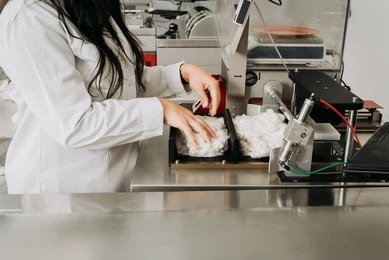
Manufacturers and labs run 8 main tests on PU leather to measure strength, flexibility, and chemical safety before it reaches production.
Tensile Strength Testing
Tensile strength testing measures how much force PU leather can withstand before it tears when stretched. Lab technicians clamp a sample strip and pull it apart at a controlled speed while recording the force in newtons (N) or pounds-force (lbf). Higher tensile strength values indicate a backing fabric and coating that resist stretching damage during regular use.
Tear Strength Testing
Tear strength testing measures the force needed to continue tearing a sample once a small cut has already started. This test predicts how PU leather will behave if it gets nicked or scratched during use. Labs typically report results in newtons (N) using standard methods such as ASTM D2261 or ISO 13937.
Flex Resistance Testing
Flex resistance testing repeatedly bends a PU leather sample to simulate years of folding and sitting. Machines flex the material tens of thousands of times, then technicians inspect the surface for cracks. This test matters most for seating applications, where the material bends at the same points every day.
Abrasion Resistance Testing
Abrasion resistance testing rubs PU leather against a standard abrasive material for a set number of cycles, often using a Martindale or Taber tester. Technicians count the number of cycles the coating survives before it shows visible wear or the backing fabric becomes exposed. Furniture-grade PU leather generally needs to survive tens of thousands of rub cycles to meet commercial upholstery standards.
Coating Adhesion Testing
Coating adhesion testing measures how firmly the polyurethane layer bonds to the backing fabric. Technicians peel the coating away from the backing at a controlled angle and record the force required in newtons per centimeter (N/cm). Weak adhesion leads to early peeling, even if the coating itself resists cracking.
Colour Fastness Testing
Colour fastness testing checks how well PU leather resists fading or transferring dye when exposed to light, rubbing, or cleaning agents. Labs use a grey scale from 1 to 5 to rate fading, with 5 representing no visible change. This test matters for products exposed to direct sunlight, such as automotive interiors and outdoor furniture.
Hydrolysis Resistance Testing
Hydrolysis resistance testing places PU leather samples in a controlled heat and humidity chamber for several weeks and checks the coating for cracking, stickiness, or brittleness afterward. This test predicts long-term durability in humid climates. Manufacturers use hydrolysis-resistant polyurethane formulations to extend product life in these conditions.
Chemical and Restricted Substance Testing
Chemical and restricted substance testing screens PU leather for banned substances such as heavy metals, phthalates, and formaldehyde. Labs use methods such as gas chromatography-mass spectrometry (GC-MS) to detect trace chemical residues. This testing ensures the material meets regulations such as REACH in the European Union and CPSIA in the United States.
How to Identify PU Leather
Buyers can identify PU leather through the product label, its surface appearance, its backing material, and, when those signals fail, laboratory testing.
How to Check the Product Label
The fastest way to identify PU leather is to check the product tag or description for terms such as “PU leather,” “faux leather,” “vegan leather,” “bicast leather,” or “bonded leather.” Genuine leather products typically use terms such as “full grain,” “top grain,” or “genuine leather” on their labels. Sellers in most regions must disclose synthetic materials by law, which makes label checking a reliable first step.
How to Identify PU Leather by Appearance
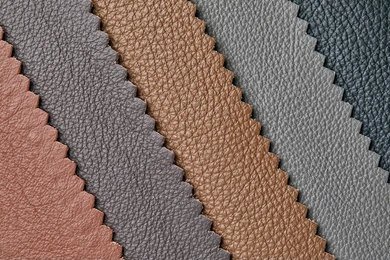
PU leather shows a repeating, uniform grain pattern because manufacturers emboss it using a single mold. Genuine leather shows natural variation, including small scars, wrinkles, and irregular pores that differ across the hide. A perfectly consistent texture across an entire product is a strong sign of PU leather.
How to Identify PU Leather by Backing
Flipping a product over reveals the backing material, which offers one of the clearest identification methods. PU leather shows a woven or knitted fabric backing, while genuine leather shows a fibrous, suede-like backing consistent with animal hide. Bicast leather shows a split leather backing under its polyurethane coating, which can look similar to genuine leather at first glance.
Why Visual Inspection Is Not Always Enough
Visual inspection is not always enough because higher-quality PU leather can closely mimic the irregular grain of genuine leather. A water test offers a useful supplementary check, since genuine leather absorbs water while PU leather resists it. Buyers who need certainty for large purchases should request a lab test report from the supplier.
Where Is PU Leather Used?
PU leather appears in footwear, bags, apparel, furniture, and automotive interiors due to its lower cost and easy maintenance.
PU Leather in Footwear
Shoe manufacturers use PU leather for uppers, linings, and trim on sneakers, boots, and dress shoes. PU leather keeps footwear costs down while offering a leather-like appearance in a wide range of colors. Athletic shoe brands favor PU leather for its lighter weight compared to genuine leather.
PU Leather in Bags and Accessories
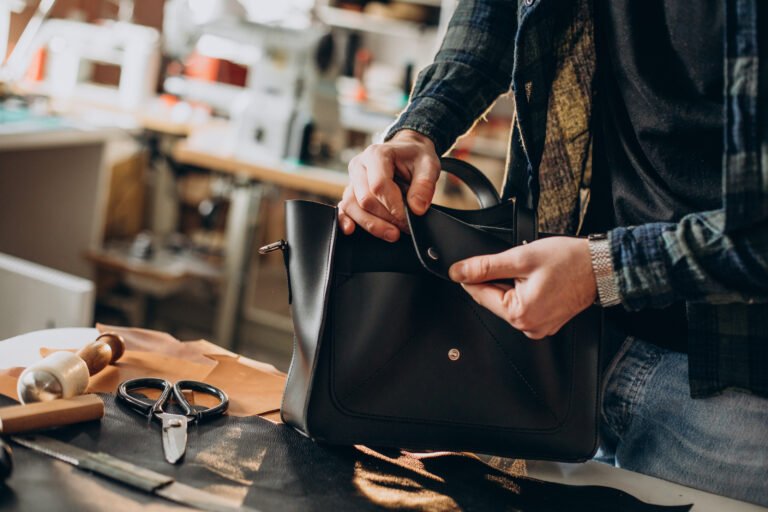
Bag manufacturers use PU leather for handbags, wallets, backpacks, and belts. PU leather allows brands to offer trend-driven colors and finishes at a lower price point than genuine leather goods. It also resists water better than untreated genuine leather, which helps protect the contents of a bag.
PU Leather in Apparel
Apparel brands use PU leather for jackets, pants, skirts, and accessories that mimic the look of genuine leather clothing. PU leather apparel costs significantly less than genuine leather apparel and comes in a broader color range. It does not stretch or break in the same way genuine leather does, which changes how the garment fits over time.
PU Leather in Furniture and Upholstery
Furniture makers use PU leather for sofas, office chairs, and ergonomic desk chairs because it costs less than genuine leather and cleans easily. Office furniture sellers use PU leather on seating for reception areas and conference rooms where budget matters more than decades-long durability. Heavy daily use in office chairs accelerates the cracking and peeling common to lower-grade PU leather.
PU Leather in Automotive Interiors
Car manufacturers use PU leather, often labeled “leatherette” or “vegan leather,” for seats, dashboards, and door panels. PU leather resists UV fading and cleans more easily than genuine leather in a car interior exposed to sunlight through windows. Higher-end vehicles often use microfiber PU leather for its improved abrasion resistance compared to standard PU leather.
Is PU Leather Waterproof?
No, PU leather is not fully waterproof, though it resists water absorption better than genuine leather. The polyurethane coating repels surface moisture and allows quick wiping and cleaning. Water can still seep through seams, stitching holes, or cracks in the coating, especially as the material ages.
How to Care for PU Leather
Proper cleaning, cracking prevention, and storage extend the usable life of PU leather products.
How to Clean PU Leather
Clean PU leather with a damp cloth and a mild soap solution, then wipe the surface dry with a clean cloth. Avoid harsh solvents, bleach, and abrasive scrub pads, since these break down the polyurethane coating faster. Test any new cleaning product on a hidden area first to check for discoloration.
How to Prevent PU Leather From Cracking and Peeling
Keep PU leather out of direct sunlight and away from heat sources such as radiators and heating vents, since UV light and heat accelerate coating breakdown. Wipe up spills quickly to reduce prolonged moisture contact. Apply a PU-safe conditioner occasionally to keep the coating flexible and reduce stress cracking at fold points.
How to Store PU Leather
Store PU leather items in a cool, dry place away from direct sunlight and away from other items with sharp edges. Avoid folding PU leather tightly for long periods, since sharp folds create stress points where cracking starts first. Use breathable fabric covers instead of plastic bags, since trapped moisture inside plastic can encourage hydrolysis.
Is PU Leather Vegan and Cruelty-Free?
Yes, 100% PU leather is vegan and cruelty-free because it contains no animal products. Bicast leather is the exception, since it uses a split cowhide layer beneath the polyurethane coating and therefore does not qualify as vegan. Buyers who prioritize veganism should check the product label or ask the seller directly whether the item uses standard PU leather or bicast leather.
Is PU Leather Environmentally Friendly?
PU leather has a mixed environmental profile. It requires fewer raw resources to produce than genuine leather tanning, but it relies on petroleum-based plastics that do not break down naturally.
Is PU Leather Biodegradable?
No, PU leather is not biodegradable. The polyurethane coating and synthetic backing fabric are petroleum-based plastics that persist in landfills for decades. Some manufacturers have developed bio-based polyurethane formulations that break down faster, but these remain a small share of overall production.
Is PU Leather Recyclable?
PU leather is difficult to recycle because it combines a plastic coating with a fabric backing, and most recycling facilities cannot separate these layers efficiently. Some specialized recyclers accept PU leather scraps for downcycling into lower-grade products such as padding material. Standard curbside recycling programs do not accept PU leather.
PU Leather and Environmental Impact
PU leather production generates fewer greenhouse gas emissions and uses less water than raising cattle and tanning genuine leather. Solvent-based PU leather production releases VOCs that contribute to air pollution, while water-based PU leather production reduces this impact. The petroleum used to manufacture polyurethane comes from a nonrenewable resource, which offsets some of the water and land savings compared to genuine leather.
PU Leather vs Genuine Leather: Which Is More Sustainable?
Neither material is clearly more sustainable, since each carries different environmental tradeoffs. PU leather uses less water and land than genuine leather production but relies on nonrenewable petroleum and does not biodegrade. Genuine leather uses renewable animal hide but requires significant water, land, and chemical tanning inputs, and the livestock industry generates substantial greenhouse gas emissions.
Is PU Leather Safe?
Yes, PU leather is generally safe for everyday use when it meets chemical compliance standards. Products that fail to meet these standards can contain restricted substances that pose health risks.
Chemicals Used in PU Leather
PU leather manufacturing uses polyurethane resin, solvents such as dimethylformamide (DMF) in solvent-based production, plasticizers, and dyes. Water-based PU leather production replaces most organic solvents with water, which lowers chemical exposure during manufacturing. Finished products can retain trace amounts of these chemicals, which is why compliance testing checks residual levels.
Restricted Substances in PU Leather
Regulators restrict substances such as lead, cadmium, phthalates, formaldehyde, and certain azo dyes in PU leather products. The European Union’s REACH regulation and the United States’ CPSIA set legal limits for these substances, especially in products intended for children. Reputable manufacturers test finished PU leather against these limits before shipping products to retailers.
Why Chemical Compliance Testing Matters
Chemical compliance testing matters because it protects consumers from skin irritation, respiratory issues, and long-term health risks linked to restricted substances. Non-compliant PU leather products can get pulled from shelves or blocked at customs in regulated markets. Buyers sourcing PU leather for resale should request a third-party test report to confirm compliance before placing large orders.
How to Choose High-Quality PU Leather
Buyers can evaluate PU leather quality by checking construction, thickness, durability, hydrolysis resistance, chemical compliance, and test documentation.
Check the Material Construction
Check whether the product uses standard PU leather, microfiber PU leather, or bicast leather, since each type offers different durability and cost. Microfiber PU leather generally outperforms standard PU leather in abrasion resistance and flex durability. Ask the supplier directly which backing material and coating type the product uses.
Check Thickness and Backing
Check the total thickness of the material, typically measured in millimeters (mm) or ounces (oz), since thicker coatings and backings tend to resist punctures and tears better. A denser, tightly woven backing fabric improves the durability of the finished product. Thin, loosely woven backings tear more easily under stress.
Check Durability and Flex Performance
Check the manufacturer’s flex resistance and abrasion resistance test results before committing to a large order. Furniture-grade PU leather should survive tens of thousands of flex cycles and abrasion cycles without visible cracking. Ask for the specific test standard used, such as ISO 5402 for flex resistance or ISO 5470 for abrasion resistance.
Check Hydrolysis Resistance
Check whether the supplier has tested the PU leather for hydrolysis resistance, especially for products destined for humid climates. Hydrolysis-resistant formulations cost more but last significantly longer before the coating turns brittle or sticky. Request accelerated aging test data that simulates several years of humidity exposure.
Check Chemical Compliance
Check that the PU leather meets relevant chemical regulations for the target market, such as REACH in the European Union or CPSIA in the United States. Request documentation confirming the product passed testing for restricted substances such as phthalates, heavy metals, and formaldehyde. Skipping this step risks regulatory rejection after the product reaches its destination market.
Request a Third-Party Test Report
Request a test report from an independent, accredited lab rather than relying solely on the manufacturer’s internal testing. Third-party reports confirm tensile strength, tear strength, abrasion resistance, colour fastness, and chemical compliance using standardized methods. This documentation gives buyers leverage to hold suppliers accountable if a shipment fails to meet agreed specifications.
Frequently Asked Questions About PU Leather
Is PU Leather Real Leather?
No, PU leather is not real leather. Standard PU leather is a fabric backing coated entirely with polyurethane and contains no animal hide, while bicast leather uses a split cowhide layer under the coating and counts as a hybrid material.
Is PU Leather Vegan?
Yes, 100% PU leather is vegan since it contains no animal products. Bicast leather is not vegan because it uses a split cowhide base layer beneath the polyurethane coating.
Is PU Leather Durable?
PU leather offers moderate durability that falls short of genuine leather. It resists water well but cracks, peels, and wears faster than genuine leather under regular use.
How Long Does PU Leather Last?
PU leather typically lasts 2 to 5 years under regular use. Genuine leather can last 10 to 25 years or longer with proper care, which makes it the more durable long-term choice.
Does PU Leather Peel?
Yes, PU leather peels as the polyurethane coating loses its plasticizers and separates from the backing fabric over time. Heat, sunlight, and repeated flexing speed up this process.
Does PU Leather Crack?
Yes, PU leather cracks as its coating becomes brittle from UV exposure, heat, and hydrolysis. Cracking typically starts at stress points such as fold lines and seat edges.
Is PU Leather Waterproof?
No, PU leather is not fully waterproof, though it resists surface water absorption better than genuine leather. Water can still penetrate through seams, stitching, or cracks in an aged coating.
Is PU Leather Better Than PVC Leather?
PU leather generally offers a softer texture and better cold-weather flexibility than PVC leather. PVC leather tends to cost less but feels stiffer and less breathable than PU leather.
Is PU Leather Better Than Genuine Leather?
PU leather costs less, resists water better, and comes in more color options than genuine leather. Genuine leather lasts longer, breathes better, and develops a patina that PU leather cannot replicate.
Is PU Leather Environmentally Friendly?
PU leather uses fewer raw resources to manufacture than genuine leather tanning, but it relies on nonrenewable petroleum-based plastics and does not biodegrade. Its environmental profile involves tradeoffs rather than a clear advantage over genuine leather.
Is PU Leather Biodegradable?
No, PU leather is not biodegradable. Its polyurethane coating and synthetic backing persist in landfills for decades.
How Can You Tell If Leather Is PU?
Check the product label for terms such as “PU leather” or “faux leather,” inspect the surface for a uniform repeating grain pattern, and flip the material over to check for a fabric backing instead of a suede-like hide backing. A water test also helps, since genuine leather absorbs water while PU leather resists it.
Can PU Leather Be Tested in a Laboratory?
Yes, PU leather can be tested in a laboratory using standardized methods for tensile strength, tear strength, flex resistance, abrasion resistance, coating adhesion, colour fastness, hydrolysis resistance, and chemical compliance. These tests give buyers objective data to compare quality across suppliers.
Final Verdict: Is PU Leather a Good Material?
PU leather is a good material for buyers who prioritize low cost, easy cleaning, vegan sourcing, and a wide range of colors over long-term durability. It suits budget furniture, fashion-forward apparel, and products replaced every few years. Buyers who need decades of durability, natural breathability, and a material that ages gracefully should choose genuine leather instead, despite the higher upfront cost. Checking test reports for tensile strength, abrasion resistance, and hydrolysis resistance helps buyers separate durable, compliant PU leather from lower-grade versions that crack and peel within a year or two.