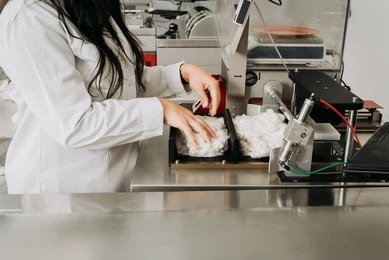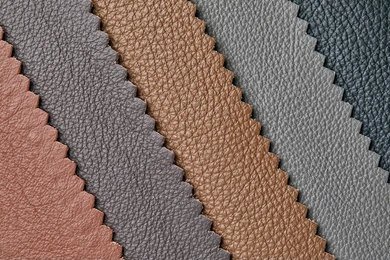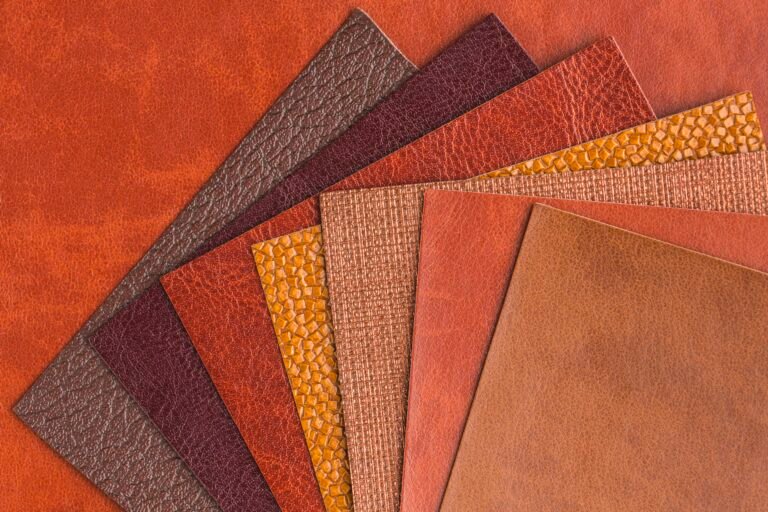
Textile testing methods are the procedures and protocols that laboratories use to determine the quality, safety, and performance properties of textile materials. These methods apply to every stage of the production chain, from raw fibre and spun yarn through to finished fabric and assembled garments.
Textile testing methods fall into 9 main categories: physical testing, chemical testing, colour fastness testing, shrinkage and dimensional stability testing, fibre testing, yarn testing, garment testing, flammability testing, and eco-textile testing. Manufacturers use these methods to verify raw material quality, control production processes, satisfy buyer specifications, and confirm compliance with international standards such as ASTM (American Society for Testing and Materials), AATCC (American Association of Textile Chemists and Colorists), and ISO (International Organization for Standardization).
The right textile testing method depends on the material type, the end use of the product, and the buyer or regulatory requirement in the target market.
Why Textile Testing Methods Are Important
Textile testing methods give manufacturers, exporters, and quality control teams objective, measurable data at every point in the production cycle. Without defined methods, test results vary between operators, laboratories, and production batches, making quality comparisons unreliable.
There are 5 core reasons why textile testing methods matter in commercial textile production.
First, standardised methods produce reproducible results. When two laboratories apply the same method to the same fabric, their results align within the stated tolerance of that method. This reproducibility supports international trade and dispute resolution.
Second, the right method catches the right defect. A tensile strength test identifies fabric weakness. A colour fastness test identifies dye instability. Choosing the wrong method for a given quality concern produces results that miss the actual problem.
Third, buyers and regulators specify exact methods. A test report referencing the wrong standard, or an unrecognised in-house protocol, does not satisfy buyer requirements or customs documentation demands.
Fourth, consistent method application supports production monitoring. In-process quality control depends on applying the same method at the same intervals so that results reflect real process change, not method variation.
Fifth, accredited laboratories base their certification on specific methods. ISO/IEC 17025 (International Laboratory Accreditation) accreditation covers defined test methods, not general capability. A laboratory accredited for ISO 13934-1 tensile testing produces results with documented uncertainty bounds that buyers accept.
Main Types of Textile Testing Methods
Textile testing methods divide into 9 main types based on what property each method measures. Each type serves a distinct quality control purpose across different stages of the production cycle.
Physical Textile Testing
Physical textile testing measures the mechanical and structural properties of fabrics and yarns without chemical alteration. Physical testing methods cover tensile strength and elongation, breaking strength, bursting strength, tear strength, Elmendorf tear strength, air permeability, pilling resistance, dry and wet rubbing (crock meter), water absorbency, scouring loss, and GSM (grams per square metre).
These tests use instruments including the Universal Testing Machine (UTM), Elmendorf tear tester, Martindale abrasion tester, pilling tester, and crock meter.
Chemical Textile Testing
Chemical textile testing identifies the presence of substances in textile materials, measures their concentration, and verifies that restricted compounds fall within regulatory limits. Chemical testing methods cover PCP (pentachlorophenol) screening, blend composition analysis, fibre identification, dye identification, solvent extractable matter, chloride content, sulphate content, pH value of water extract, moisture content, and shrinkage to water.
Chemical testing supports compliance with REACH (Registration, Evaluation, Authorisation and Restriction of Chemicals), OEKO-TEX, and buyer RSL (Restricted Substances List) programmes.
Color Fastness Testing
Colour fastness testing measures how well a dyed or printed fabric holds its colour under specific conditions. Colour fastness test methods cover fastness to washing, rubbing, perspiration, water, light, dry cleaning, and chlorinated water. Results grade on a scale of 1 to 5 using the grey scale rating system, where 5 is the best rating and 1 is the poorest.
Shrinkage and Dimensional Stability Testing
Shrinkage and dimensional stability testing measures the percentage change in fabric dimensions after washing, dry cleaning, or steaming. This category covers shrinkage to water, relaxation shrinkage, and hygral expansion. Results express as percentage change in warp and weft direction for woven fabrics, or length and width for knitted fabrics.
Fiber Testing
Fibre testing identifies the type and quality of fibres present in a textile material. Fibre testing methods cover fibre identification by microscopy and chemical dissolution, fibre diameter measurement, linear density, blend composition analysis, and fibre maturity assessment for cotton. Fibre diameter measurement applies particularly to wool, where micron count (measured in micrometres, µm) determines softness and end-use suitability.
Yarn Testing
Yarn testing measures the physical properties of spun and filament yarns before weaving or knitting. Yarn testing methods cover yarn count (linear density), tensile strength and elongation, evenness, twist per metre, ends per inch (EPI), and hairiness. The Universal Testing Machine and yarn evenness tester are the primary instruments for yarn quality assessment.
Garment Testing
Garment testing evaluates the finished, assembled garment against buyer specifications and regulatory requirements. Garment testing methods cover seam strength, seam slippage, dimensional stability after washing, colour fastness, care label verification, pilling, and chemical compliance. Garment testing applies to all product types including socks, jersey, vinyl coated fabric, and various apparel categories.
Flammability Testing
Flammability testing measures how quickly a textile material ignites and how fast a flame spreads across the fabric surface. Flammability test methods vary by product category and destination market. Common standards include BS 5722, EN 1103, ASTM D1230, and US 16 CFR Part 1615/1616 for children’s sleepwear. Laboratories use flammability chambers as the primary test equipment.
Eco-Textile Testing
Eco-textile testing screens textile products for harmful substances that pose risks to human health or the environment. Eco-textile test methods cover restricted substance screening, formaldehyde detection, azo dye analysis, heavy metal testing (lead and its compounds, cadmium, chromium VI), PCP testing, and pH value assessment.
OEKO-TEX Standard 100 and ZDHC (Zero Discharge of Hazardous Chemicals) MRSL (Manufacturing Restricted Substances List) define the substance limits that eco-textile testing verifies.
Physical Textile Testing Methods
Physical textile testing methods measure the mechanical performance of fabrics under applied force, friction, pressure, or air flow. There are 13 standard physical test methods used in textile quality control.
Tensile Strength and Elongation measures the maximum force a fabric withstands before breaking, expressed in Newtons (N) or kilonewtons per metre (kN/m), and the percentage stretch at break. ISO 13934-1 (grab method) and ISO 13934-2 (strip method) are the reference standards.
The Universal Testing Machine applies force at a fixed rate until the specimen breaks.
Breaking Strength measures the force required to break a yarn or fabric specimen under uniaxial tension. ASTM D5035 and ISO 13934 cover this test. Breaking strength results guide raw material selection and production specification setting.
Bursting Strength applies a multidirectional force to a fabric specimen until it ruptures. Bursting strength testing suits knitted fabrics and nonwovens where tensile testing does not reflect real-world stress patterns. ISO 13938-1 (hydraulic method) and ISO 13938-2 (pneumatic method) are the applicable standards. Results express in kilopascals (kPa).
Tear Strength measures the force required to propagate a cut or tear through a fabric. ISO 13937 covers 4 tear test methods for woven fabrics. Tear strength results predict how a fabric performs under concentrated point stress in use.
Elmendorf Tear Strength uses the Elmendorf tear tester to measure the force required to continue a tear through a fabric specimen. ASTM D1424 and ISO 13937-2 are the reference standards. Elmendorf testing suits lightweight woven and nonwoven fabrics.
Air Permeability measures the volume of air that passes through a fabric per unit area per unit time under a standard pressure differential, expressed in mm/s or cm³/cm²/s. ISO 9237 and ASTM D737 are the applicable standards. Air permeability testing applies to sportswear, workwear, and technical fabrics.
Pilling Test evaluates the tendency of a fabric to form surface pills under rubbing or tumbling action. ISO 12945-1 (Martindale method) and ISO 12945-2 (random tumble method) are the standard test methods. Results grade on a scale of 1 to 5, where 5 represents no pilling.
Dry and Wet Rubbing (Crock Meter) measures colour transfer from a dyed fabric to a white test cloth under dry and wet rubbing conditions using the crock meter. ISO 105-X12 and AATCC 8 are the reference standards. Results grade on the grey scale for staining.
Ether Soluble Matter determines the amount of lubricant, wax, or finishing agent extractable from a fabric by ether solvent. This test verifies that finishing chemical levels fall within specification and that excess residues will not affect downstream processing or dyeing.
Water Absorbency measures the rate and capacity at which a fabric absorbs water. AATCC 79 (drop absorption test) and ISO 9073-6 measure different aspects of water absorption. Water absorbency testing applies to towelling, base layer fabrics, and technical textiles.
Lead and Its Compounds testing screens for lead content in fabric, yarn, dyes, prints, and accessories using atomic absorption spectroscopy (AAS) or inductively coupled plasma mass spectrometry (ICP-MS).
Regulatory limits for lead in textiles apply under REACH, California Proposition 65, and CPSC (Consumer Product Safety Commission) regulations for children’s products.
Scouring Loss measures the percentage weight reduction of a fibre or yarn sample after scouring treatment to remove impurities, waxes, and natural contaminants. Scouring loss data helps spinners calculate clean fibre yield and set raw material pricing.
GSM (Grams per Square Metre) measures fabric weight per unit area. Laboratories cut a specimen of defined area, typically 100 cm² (10 cm × 10 cm), weigh it on a precision balance, and calculate GSM. ISO 3801 and ASTM D3776 are the reference standards.
GSM testing applies at every stage of fabric production and at incoming material inspection.
Chemical Textile Testing Methods
Chemical textile testing methods identify, quantify, and assess the chemical composition and contamination status of textile materials. There are 11 standard chemical test methods applied in textile laboratories.
PCP (Pentachlorophenol) Testing screens for pentachlorophenol, a biocide used in wool preservation that is restricted under REACH Annex XVII and multiple buyer RSL requirements. Gas chromatography (GC) with electron capture detection quantifies PCP concentration in fabric extracts.
Blend Composition Analysis determines the percentage of each fibre type in a blended textile. Laboratories use chemical dissolution methods defined in ISO 1833 series, dissolving one fibre type selectively and calculating the residual mass of the remaining fibre to establish the blend ratio.
Identification of Fibre confirms the fibre types present in a textile sample using microscopy, burning tests, and chemical solubility tests. Microscopical examination of fibre cross-section and longitudinal profile identifies the fibre morphology.
Chemical dissolution tests confirm the identification for blended materials.
Identification of Dyes determines the class and chemical type of dye used on a fabric specimen. Dye identification supports investigation of colour fastness failures, restricted dye compliance checks, and dyestuff substitution decisions during production.
Solvent Extractable Matter measures the total weight of organic compounds extracted from a fabric by a defined solvent, expressed as a percentage of sample weight. Solvent extractable matter results indicate finishing chemical residue levels and inform decisions on re-scouring before subsequent processing.
Chloride Content measures the concentration of chloride ions in a textile extract, expressed in mg/kg. High chloride levels indicate improper washing after bleaching or salt-based dyeing processes and can lead to fibre degradation and colour change during storage.
Sulphate Content measures sulphate ion concentration in a textile water extract. Elevated sulphate content indicates residual sulphuric acid from dye processes, which affects fabric hand feel and can cause fibre tendering over time.
pH Value of Water Extract measures the acidity or alkalinity of the water extracted from a fabric specimen using a calibrated pH meter. ISO 3071 and AATCC 81 are the reference standards. Acceptable pH ranges for skin-contact textiles typically fall between 4.0 and 7.5.
Moisture Content measures the percentage of water present in a fibre, yarn, or fabric sample relative to the oven-dry weight of the specimen. ISO 6741 and ASTM D2495 cover moisture content testing.
Moisture content affects fibre weight, linear density calculations, and commercial transaction weights for raw material buying and selling.
Shrinkage to Water measures the percentage dimensional change of a fabric sample after immersion in water at a defined temperature for a defined time. ISO 5077 and AATCC 135 are the applicable standards. Shrinkage to water results predict dimensional performance after consumer washing.
Colour Fastness Tests assess colour retention under 7 principal conditions: washing (ISO 105-C06), rubbing (ISO 105-X12), perspiration (ISO 105-E04), water (ISO 105-E01), light (ISO 105-B02), dry cleaning (ISO 105-D01), and chlorinated water (ISO 105-E03).
Each test exposes the fabric specimen to a defined stress and then grades colour change and staining against the grey scale.
Color Fastness Testing Methods
Colour fastness testing methods measure the resistance of textile dyes and prints to colour change or transfer under defined exposure conditions. There are 7 main colour fastness test methods in textile quality control.
Colour Fastness to Washing exposes a fabric specimen sewn to a multifibre adjacent fabric to a defined wash cycle at temperatures between 40°C and 95°C (104°F and 203°F) using a standard detergent solution. ISO 105-C06 and AATCC 61 are the reference standards.
The test assesses both colour change in the specimen and staining of the adjacent fabric.
Colour Fastness to Rubbing (Crocking) measures the amount of colour transferred from the test fabric to a white cotton test cloth under dry and wet rubbing using the crock meter. ISO 105-X12 specifies 10 dry rubs and 10 wet rubs with a 9 N (0.9 kgf) applied force. AATCC 8 is the equivalent US standard.
Colour Fastness to Perspiration assesses colour stability when the fabric comes into contact with acidic and alkaline perspiration solutions. ISO 105-E04 specifies separate tests for acid perspiration (pH 3.5) and alkaline perspiration (pH 8.0).
The test uses a perspirometer to apply controlled pressure during the exposure period.
Colour Fastness to Water evaluates colour change and staining when a fabric specimen remains in contact with distilled water at 37°C (98.6°F) for 4 hours under a defined pressure. ISO 105-E01 is the reference standard. Water fastness testing applies to swimwear, rainwear, and outdoor textiles.
Colour Fastness to Light measures the resistance of a fabric colour to fading under artificial light exposure using a Xenon arc weatherometer. ISO 105-B02 and AATCC 16 are the applicable standards. Results grade on the blue wool scale from 1 (poorest fastness) to 8 (best fastness).
Colour Fastness to Dry Cleaning assesses colour stability after dry cleaning solvent exposure. ISO 105-D01 uses perchloroethylene solvent in a laboratory tumble apparatus. Dry cleaning fastness testing applies to all garments labelled for dry cleaning only.
Colour Fastness to Chlorinated Water evaluates colour change when swimwear and pool-use textiles contact chlorinated water. ISO 105-E03 specifies a chlorine concentration of 50 mg/L (50 ppm) and an exposure duration of 1 hour at 27°C (80.6°F).
Shrinkage and Dimensional Stability Testing
Shrinkage and dimensional stability testing methods measure how much a fabric changes in length and width after laundering, dry cleaning, steaming, or water immersion. There are 4 main test methods in this category.
Dimensional Change After Washing measures the percentage length and width change of a fabric specimen after one or more standardised wash and dry cycles. ISO 5077 and AATCC 135 are the reference standards. Specimens measure before and after washing using bench marks placed at a defined distance, typically 250 mm (25 cm) or 500 mm (50 cm) apart.
Relaxation Shrinkage measures dimensional change after immersion in water without mechanical agitation. This test applies to knitted fabrics that shrink through stress relaxation rather than mechanical action during washing. ISO 7771 covers relaxation shrinkage for woven and knitted fabrics.
Hygral Expansion measures the dimensional change of a wool or wool-blend fabric between dry and wet conditioned states. Hygral expansion expresses as percentage change in width and affects garment pattern making, particularly for tailored garments.
Dimensional Change After Dry Cleaning measures shrinkage or growth after dry cleaning treatment using the methods specified in ISO 3175 series. Results apply to all textiles with dry clean-only or dry clean-preferred care labels.
Fiber and Yarn Testing Methods
Fibre and yarn testing methods measure the raw material properties that determine the quality of the fabric produced from them. There are 8 standard test methods covering fibre and yarn properties.
Fibre Identification uses 3 complementary methods: longitudinal and cross-section microscopy to assess fibre morphology, burning tests to observe ignition behaviour and ash characteristics, and chemical solubility tests to confirm fibre type by selective dissolution.
ISO 17751 covers cashmere and wool fibre identification. ISO 11567 covers carbon fibre identification.
Fibre Diameter Measurement measures the mean fibre diameter of wool and other animal fibres in micrometres (µm) using the Airflow method, projection microscope method, or OFDA (Optical Fibre Diameter Analyser) method. IWTO (International Wool Textile Organisation) standards govern commercial wool fibre diameter testing.
Merino wool diameter ranges from 15 µm to 24 µm, with finer grades commanding higher prices.
Linear Density (Yarn Count) measures the mass per unit length of a yarn, expressed in tex (grams per 1000 metres), decitex (grams per 10,000 metres), or the traditional Ne (English cotton count) and Nm (metric count) systems. ISO 2060 covers linear density measurement by the skein method.
Ends Per Inch (EPI) counts the number of warp yarns per inch (25.4 mm) or per centimetre in a woven fabric. EPI measurement uses a pick glass or electronic fabric analyser and determines fabric construction density. Higher EPI values indicate a tighter weave and generally higher fabric weight.
Yarn Tensile Strength and Elongation measures the breaking force in Newtons (N) and the percentage elongation at break of a single yarn or ply yarn specimen using the Universal Testing Machine. ISO 2062 specifies the single-end breaking force method. Yarn strength data helps weavers and knitters set machine tension parameters.
Yarn Evenness measures variation in yarn linear density along its length using the Uster evenness tester, which records mass variation as the yarn passes through a capacitance sensor.
Results express as CV% (coefficient of variation), Uster U%, imperfections per kilometre (thick places, thin places, neps), and hairiness index.
Twist Per Metre measures the number of turns of twist in one metre of yarn using the untwist-retwist method or direct counting method. Twist level affects yarn strength, fabric handle, and fabric appearance. ISO 2061 specifies the standard test method.
Blend Composition of Yarn determines the fibre percentages in a blended yarn using chemical dissolution methods from the ISO 1833 series or by manual fibre separation for coarser blends. Blend composition results support fibre content labelling compliance and raw material verification.
Garment Testing Methods
Garment testing methods evaluate the finished assembled garment against performance and compliance specifications. There are 7 standard garment test methods applied in quality control laboratories.
Seam Strength measures the force required to break a seam under tension, expressed in Newtons (N). ISO 13935-1 (grab method) and ISO 13935-2 (strip method) are the reference standards. Seam strength testing applies to all sewn garments and predicts the durability of the assembly under wear stress.
Seam Slippage measures the force required to cause yarns to slip at a seam in a woven fabric, creating a gap of defined width. ISO 13936 series covers seam slippage for woven fabrics. Seam slippage results determine whether the fabric construction and seam type are compatible for the intended end use.
Dimensional Stability After Washing measures the percentage change in garment dimensions after one or more defined wash and dry cycles. Measurement points on the garment, including chest width, body length, sleeve length, and seat width, mark before and after washing.
The laboratory calculates shrinkage or growth from the difference between pre-wash and post-wash measurements at each marked point.
Colour Fastness on Garments tests the same colour fastness parameters as fabric testing but assesses the finished garment, including any decorative trims, prints, embroidery, and accessories. Testing at garment stage confirms that assembly processes have not affected colour performance.
Care Label Verification confirms that the care symbols and instructions on a garment label accurately reflect the garment’s actual care requirements. The laboratory subjects the garment to the washing, drying, ironing, bleaching, and dry cleaning conditions shown on the label.
The garment must survive each process without damage for the care label to pass verification.
Pilling on Garments evaluates pilling performance of the finished garment fabric, including all seam areas and any surface treatments or finishes applied after knitting or weaving. ISO 12945-2 random tumble method or ISO 12945-1 Martindale method applies depending on the fabric construction.
Chemical Compliance of Garments screens the finished garment, including all components such as labels, buttons, zippers, elastics, and trims, for restricted substances. Each component submits to the applicable chemical test method under the buyer RSL or applicable regulation.
Textile Testing Methods by Material Type
Different textile materials require different test method selections based on their construction, fibre content, and end use.
Woven Fabrics require tensile strength (ISO 13934), tear strength (ISO 13937), seam slippage (ISO 13936), GSM (ISO 3801), colour fastness suite, dimensional stability (ISO 5077), and chemical compliance testing. Woven fabrics for apparel also require pilling assessment (ISO 12945-1 Martindale).
Knitted Fabrics require bursting strength (ISO 13938) rather than tensile testing as the primary mechanical test, along with pilling (ISO 12945-2 random tumble), dimensional stability (ISO 5077), GSM, snag resistance (ISO 13939), and colour fastness suite.
Yarns require linear density (ISO 2060), tensile strength (ISO 2062), evenness (Uster method), twist (ISO 2061), and blend composition (ISO 1833 series).
Filament Yarn requires additional tests for elongation, crimp, and denier per filament in addition to standard yarn testing parameters.
Carpets require tests for pile fibre content, tuft bind strength (ISO 4919), abrasion resistance (ISO 9239), dimensional stability, colour fastness to light and wet rubbing, and flammability (ISO 9239-1).
Socks and Hosiery require dimensional stability, colour fastness to washing and perspiration, fibre content verification, pilling, and elastane content testing where applicable.
Jersey and Knitted Apparel require bursting strength, dimensional stability, colour fastness suite, pilling, fibre identification, and GSM.
Vinyl Coated Fabric requires adhesion of coating to base fabric, tensile and tear strength, colour fastness, cold crack resistance, and restricted substance screening for plasticisers including phthalates.
Leather Products require tensile strength (ISO 3376), tear strength (ISO 3377), colour fastness to rubbing (ISO 11640), pH of leather extract (ISO 4045), and chromium VI content (ISO 17075).
HDPE (High-Density Polyethylene) Bags and Jute Bags require tensile strength, elongation, seam or stitch strength, GSM, and restricted substance screening.
Common Textile Testing Standards
There are 9 main standard-setting bodies whose methods apply to textile testing in international trade.
ASTM International produces the ASTM D series standards covering fabric physical testing, including D5035 for breaking strength, D1424 for Elmendorf tear, D3776 for GSM, D737 for air permeability, and D3512 for pilling. ASTM standards apply widely in North American and US export markets.
AATCC (American Association of Textile Chemists and Colorists) specialises in colour fastness, chemical, and wet processing test methods. AATCC 8 covers crocking, AATCC 61 covers accelerated laundering fastness, AATCC 16 covers light fastness, and AATCC 135 covers dimensional change after washing.
ISO (International Organization for Standardization) issues the most widely referenced textile test methods globally through its TC 38 (Textiles) technical committee. ISO standards cover the full range of physical, chemical, and colour fastness tests and apply in most international buyer specifications.
EN (European Norms) and BSEN (British Standards for European Nations) cover textile testing requirements for products sold in the EU and UK markets, including EN 13402 for size labelling, EN 14878 for children’s nightwear flammability, and EN 11612 for protective clothing against heat and flame.
BS (British Standards) includes historic UK textile standards, several of which continue to apply independently of EN harmonisation, including BS 5722 for nightwear flammability and BS 3424 for coated fabrics.
DIN (Deutsches Institut fur Normung) issues German national standards for textile testing, some of which apply specifically to the German and Central European market.
JIS (Japanese Industrial Standards) covers textile test methods for the Japanese market, including JIS L series standards for fabric physical testing, colour fastness, and dimensional stability.
BIS (Bureau of Indian Standards) issues IS (Indian Standards) series textile test methods for the Indian domestic market and for compliance with Indian export certification requirements.
How to Choose the Right Textile Testing Method
To choose the right textile testing method, match the test method to 4 factors: the material type, the quality parameter to measure, the applicable standard specified by the buyer or regulation, and the end use of the product.
Match the method to the material. Bursting strength testing suits knitted fabrics and nonwovens. Tensile and tear strength testing suits woven fabrics. Fibre diameter testing applies to animal fibres. Applying a woven fabric test method to a knitted fabric produces results that do not reflect real performance.
Match the method to the parameter. Colour fastness to washing measures wash durability of dye. Colour fastness to light measures fade resistance under UV exposure. Both are colour fastness tests but measure different performance characteristics. Select the test method that measures the specific performance concern.
Apply the standard the buyer specifies. Buyers state the exact standard and method number in their product technical specification or testing protocol. A report referencing ISO 105-C06 for washing fastness does not satisfy a buyer who specified AATCC 61. Confirm the exact method reference before testing begins.
Consider the end use. Children’s sleepwear requires flammability testing to a specific regulatory standard. Sportswear requires moisture management and air permeability testing. Workwear requires tear strength and abrasion resistance testing under the relevant EN protective clothing standard. The end use defines the test scope.
Textile Testing Process
The textile testing process runs through 6 steps from sample submission to corrective action.
Step 1: Sample Submission. The manufacturer or exporter submits the material to the laboratory with a sample submission form specifying the required tests, applicable standard references, and any buyer or regulatory requirements. The laboratory logs the sample and assigns a unique reference number.
Step 2: Sample Conditioning. Most textile test methods require conditioning at 20°C ± 2°C (68°F ± 3.6°F) and 65% ± 2% relative humidity (RH) for a minimum of 24 hours before testing. This conditioning normalises the moisture content in the fabric so that test results reflect material properties rather than ambient moisture variation.
Step 3: Specimen Preparation. The laboratory cuts test specimens from the conditioned sample according to the dimensions and sampling locations specified in the test method. Multiple specimens cut from different parts of the sample improve result accuracy by averaging out within-sample variation.
Step 4: Test Execution. Trained analysts carry out each test using calibrated instruments and the exact procedures defined in the applicable standard. Physical tests use instruments including the Universal Testing Machine, Martindale abrasion tester, crock meter, Elmendorf tear tester, pilling tester, crease recovery tester, burst strength apparatus, air permeability apparatus, flammability chamber, and Xenon arc weatherometer.
Chemical tests use analytical instruments including the GC (gas chromatograph), HPLC (high-performance liquid chromatograph), ICP-MS, and AAS (atomic absorption spectrometer).
Step 5: Result Analysis and Grading. The laboratory compares results against the pass/fail criteria or performance specification. Colour fastness results grade on the grey scale. Physical test results compare against minimum strength, maximum shrinkage, or minimum performance values defined in the buyer spec or applicable standard.
Step 6: Report Issuance and Corrective Action. The laboratory issues a formal test report referencing the test method, specimen details, test conditions, results, and pass/fail assessment. Where results fall outside specification, the manufacturer identifies the root cause, takes corrective action, and submits a new sample for retesting.
Textile Testing Services at SAB Labs
SAB Labs provides textile testing services from ISO-certified laboratory facilities in Karachi and Lahore, covering the full range of physical, chemical, colour fastness, and compliance test methods required by Pakistani textile manufacturers and exporters.
Physical Testing Services at SAB Labs cover tensile strength and elongation, tear strength, bursting strength, GSM, pilling, abrasion resistance, seam strength, seam slippage, air permeability, and water absorbency using calibrated instruments including the Universal Testing Machine.
Chemical Testing Services at SAB Labs cover pH value of water extract, formaldehyde, azo dye analysis, PCP screening, moisture content, chloride content, sulphate content, solvent extractable matter, and broad restricted substance screening for REACH, OEKO-TEX, and buyer RSL compliance.
Colour Fastness Testing Services at SAB Labs cover all 7 standard colour fastness tests: washing, rubbing (crock meter), perspiration, water, light (Xenon arc weatherometer), dry cleaning, and chlorinated water. Results grade against the ISO grey scale.
Fibre and Yarn Testing Services at SAB Labs cover fibre identification, blend composition, linear density, yarn tensile strength, and fibre diameter measurement for all commercial fibre types.
Garment Testing Services at SAB Labs cover dimensional stability after washing, seam strength, colour fastness suite, pilling, care label verification, and chemical compliance screening for finished garments including socks, jersey, and apparel across all categories.
Flammability Testing Services at SAB Labs cover standard flammability tests for apparel, children’s sleepwear, and technical textiles against applicable BS, EN, and ASTM standards using flammability chamber equipment.
Eco-Textile and RSL Testing Services at SAB Labs screen for restricted substances including heavy metals (lead and its compounds, cadmium, chromium VI), PCP, azo dyes, formaldehyde, phthalates, and organotin compounds, supporting OEKO-TEX, ZDHC MRSL, and major brand RSL compliance programmes.
SAB Labs serves manufacturers, exporters, brands, and buying houses across Pakistan, including Karachi, Lahore, Faisalabad, and Sialkot. The laboratory issues test reports in formats accepted by international buyers and customs authorities.
FAQs About Textile Testing Methods
What are textile testing methods?
Textile testing methods are the standardised procedures laboratories use to measure the quality, safety, and performance properties of textile materials, including fibres, yarns, fabrics, and garments. Each method specifies the equipment, specimen dimensions, test conditions, and result calculation procedure. Standard-setting bodies including ASTM, AATCC, ISO, BS, EN, DIN, JIS, and BIS publish and maintain these methods.
What are the main types of textile testing methods?
The 9 main types of textile testing methods are physical testing, chemical testing, colour fastness testing, shrinkage and dimensional stability testing, fibre testing, yarn testing, garment testing, flammability testing, and eco-textile testing.
What is physical textile testing?
Physical textile testing measures the mechanical and structural properties of textile materials using instruments such as the Universal Testing Machine, Elmendorf tear tester, pilling tester, and crock meter. Physical tests include tensile strength, tear strength, bursting strength, GSM, pilling, abrasion resistance, air permeability, and water absorbency.
What is colour fastness testing in textiles?
Colour fastness testing measures how well a fabric retains its colour when exposed to washing, rubbing, perspiration, water, light, or dry cleaning. Results grade on a grey scale from 1 (very poor) to 5 (excellent). Buyers specify minimum grey scale ratings in their product technical requirements.
What is the Universal Testing Machine used for in textile testing?
The Universal Testing Machine (UTM) measures tensile strength, breaking strength, elongation, seam strength, yarn strength, and other mechanical properties by applying a controlled force to a specimen at a fixed speed until failure. The UTM records force in Newtons (N) and extension in millimetres (mm) and calculates derived values including elongation percentage and modulus.
What textile testing standards apply for export?
The applicable standards for textile export depend on the destination market. EU exports require compliance with REACH and EN standards. US exports require compliance with CPSC regulations and ASTM or AATCC methods. UK exports require compliance with BS or BSEN standards. Japanese market exports require JIS compliance. Most major brand buyers specify exact ASTM, AATCC, or ISO method references in their testing protocols.
What is GSM testing in textiles?
GSM testing measures fabric weight in grams per square metre. The laboratory cuts a circular specimen of 100 cm² (approximately 11.28 cm diameter) using a GSM cutter, weighs it on a precision balance accurate to 0.001 g, and multiplies by 100 to calculate the GSM value. ISO 3801 and ASTM D3776 are the reference standards.
What is shrinkage testing in textiles?
Shrinkage testing measures the percentage change in fabric or garment dimensions after washing or dry cleaning under defined conditions. ISO 5077 and AATCC 135 are the primary standards. The laboratory marks specimen dimensions before washing, washes under the specified conditions, dries, conditions, and remeasures to calculate the percentage change.
What is flammability testing in textiles?
Flammability testing measures how quickly a textile ignites and how fast a flame spreads across the fabric surface when exposed to a defined ignition source. Test method selection depends on the product category and destination market. Children’s sleepwear testing in the US follows 16 CFR 1615/1616. European nightwear testing follows EN 14878. Protective clothing testing follows EN ISO 15025.
Does SAB Labs provide textile testing services in Pakistan?
Yes, SAB Labs provides textile testing services across Pakistan from laboratories in Karachi and Lahore. SAB Labs covers physical testing, chemical testing, colour fastness testing, fibre and yarn testing, garment testing, flammability testing, and eco-textile RSL testing for manufacturers, exporters, and brands operating in the Pakistani textile industry.
Conclusion
Textile testing methods give every party in the textile supply chain reliable, objective data about product quality and compliance. Physical testing methods measure mechanical strength and durability. Chemical testing methods identify harmful substances and verify material composition. Colour fastness testing methods confirm dye stability under washing, rubbing, perspiration, light, and water exposure.
Shrinkage and dimensional stability testing methods predict garment performance after consumer care. Fibre and yarn testing methods verify raw material quality before production. Garment testing methods confirm that finished products meet buyer specifications and regulatory requirements. Flammability and eco-textile testing methods support safety compliance and restricted substance clearance for export markets.
Selecting the right textile testing method depends on the material type, the applicable standard, the buyer specification, and the end use of the product. SAB Labs provides the full range of these textile testing methods from ISO-certified laboratories in Karachi and Lahore, supporting Pakistani textile manufacturers and exporters with test reports that buyers and regulators accept.
Contact SAB Labs to discuss testing requirements, confirm applicable standards, or request sample submission guidance for your next production batch or pre-shipment inspection.