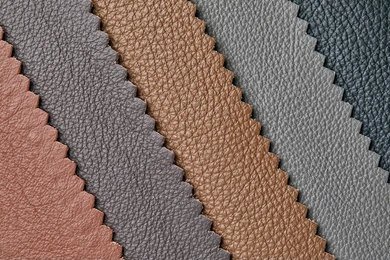
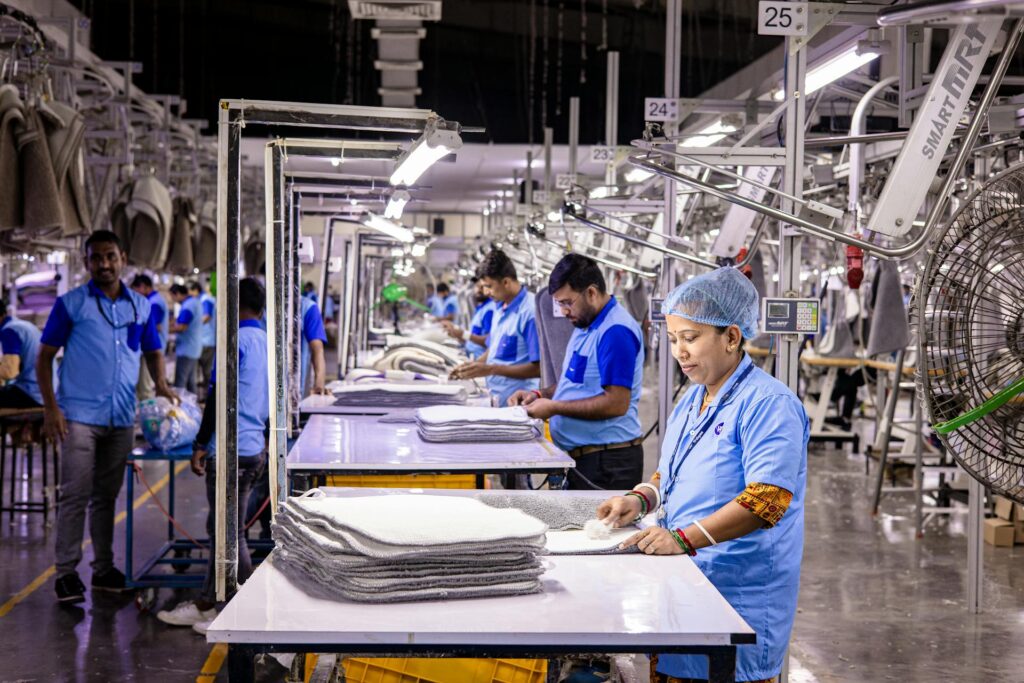
Pakistan’s textile and leather industry plays a major role in exports. From garments and fabrics to leather goods and home textiles, Pakistani products reach Europe, the USA, and the Middle East every day.
However, exporting today is not only about quality and pricing. It is equally about chemical safety and regulatory compliance.
One of the most critical chemical tests required for export products is the AZO Dyes Test (Banned Amines Test). Many shipments are rejected each year because exporters overlook this test or misunderstand its importance.
This guide explains the topic in detail, in simple English. It covers what azo dyes are, why they are restricted, how the test is performed, what precautions exporters must take, and how professional laboratories like SAB Labs support compliance.
Understanding Azo Dyes
Azo dyes are synthetic dyes widely used in the textile, leather, and garment industries. They are popular because they are cost-effective, produce bright colors, and perform well during washing and usage.
Chemically, these dyes contain an azo bond (-N=N-), which links aromatic compounds. On their own, many azo dyes are stable. The issue starts when these dyes are exposed to sweat, saliva, skin bacteria, or repeated washing.
Under such conditions, certain azo dyes can break down and release aromatic amines.
What Are Banned Amines and Why Are They Dangerous?
Aromatic amines are organic chemical compounds. Some of them are proven to be toxic and carcinogenic. Long-term skin contact with these substances may increase health risks, including cancer.
Because textiles and leather products remain in direct contact with human skin, international authorities have strictly restricted these chemicals.
Globally, 24 specific aromatic amines are banned or restricted. If any of these are detected above the allowed limit, the product is considered unsafe and non-compliant.
Why AZO Dyes Testing Is So Important for Pakistan
Export compliance
Most international markets, especially the European Union, strictly prohibit products that release banned aromatic amines. Regulations such as EU REACH (Annex XVII) clearly define limits and enforcement.
If a Pakistani exporter ships non-compliant goods, the result can be shipment rejection, heavy financial loss, and permanent damage to buyer relationships.
Buyer requirements
Many global brands and retailers demand azo dyes testing as part of their Restricted Substances List (RSL). Even if local regulations do not demand it, buyers often do.
Consumer safety
Beyond exports, azo dyes testing ensures products are safe for end users, including children and people with sensitive skin. It reflects responsible manufacturing.
What Is the AZO Dyes (Banned Amines) Test?
The AZO Dyes Test is a laboratory chemical analysis performed to determine whether dyed materials release any of the restricted aromatic amines beyond permitted limits.
The internationally accepted limit for each banned amine is generally 30 mg/kg (30 ppm). If even one restricted amine exceeds this level, the sample fails the test.
This test is applicable to a wide range of products, including textiles, garments, leather items, footwear, upholstery, and accessories.
Products Commonly Tested for Azo Dyes
Instead of listing dozens of items, it’s better to understand the principle.
Any dyed product that comes into direct or prolonged skin contact should undergo azo dyes testing.
This typically includes clothing, baby garments, leather gloves, shoes, bags, home textiles, and upholstery fabrics.

Test Standards Used for AZO Dyes Analysis
Professional laboratories follow internationally recognized test methods to ensure results are accepted worldwide. Some of the most commonly applied standards are shown below.
| Standard | Application |
|---|---|
| ISO 14362-1 | Textile materials |
| ISO 14362-3 | Specific fiber categories |
| EN 14362 | European testing method |
| GB/T 17592 | Chinese standard |
| DIN methods | German regulations |
SAB Labs follows validated and internationally recognized procedures to ensure reliable and compliant results.
Step-by-Step AZO Dyes Test Procedure
Sample selection and submission
The process begins with proper sampling. Clients submit representative samples from actual production. Each color must be tested separately, as different dyes may be used for different shades.
Sending incorrect or incomplete samples is one of the most common mistakes exporters make.
Sample preparation in the laboratory
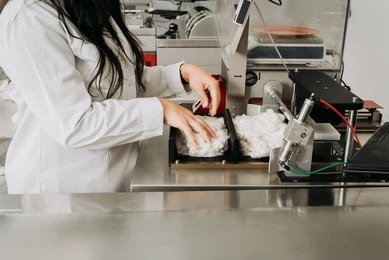
In the lab, the sample is cut into small pieces, weighed accurately, and labeled properly. Strict traceability is maintained to avoid mix-ups and ensure accuracy.
Chemical reduction process
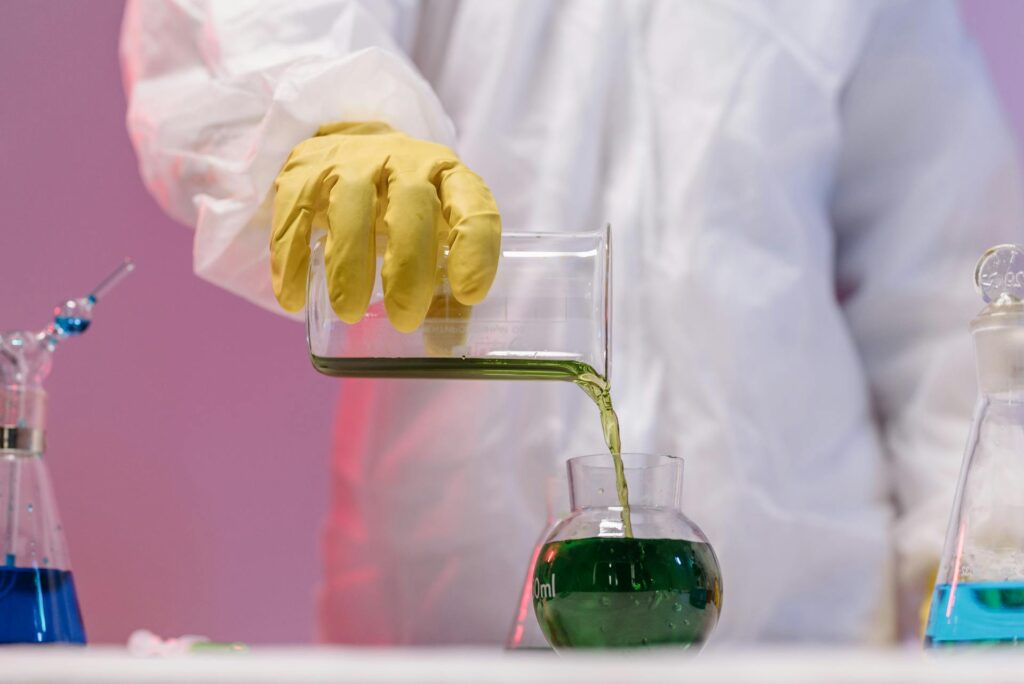
The prepared sample is treated with specific chemicals that break the azo bonds. This step releases any aromatic amines that may be present in the dyed material.
This process simulates what can happen during real use of the product.
Extraction and purification
The released amines are extracted into a suitable solvent. Unwanted substances are removed so that only the target chemicals remain for analysis.
Instrumental analysis
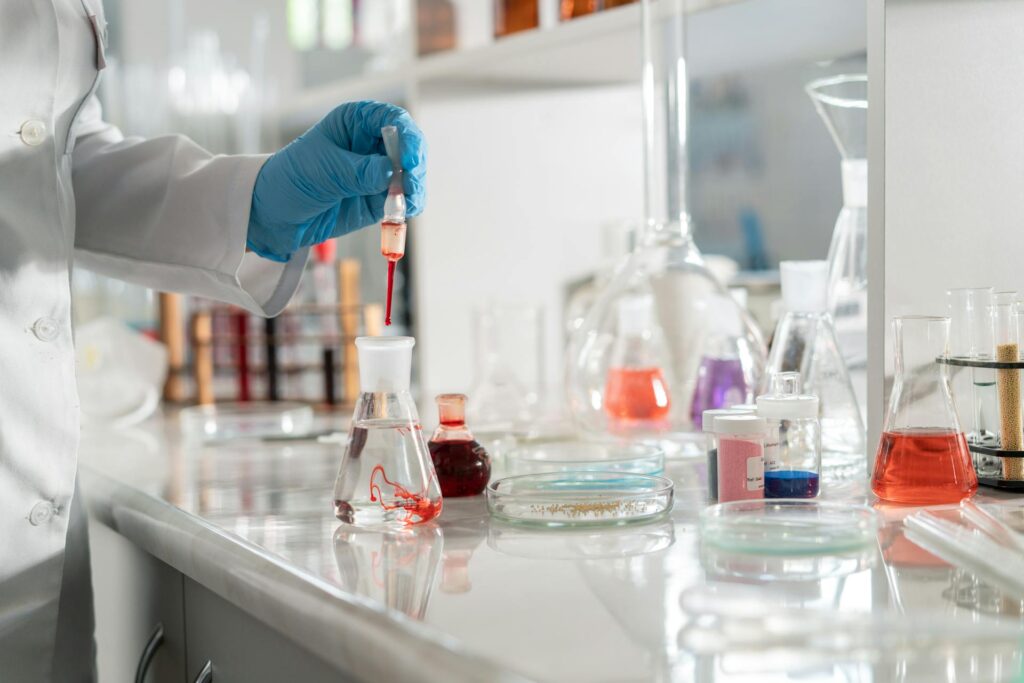
Advanced analytical instruments such as HPLC or GC-MS are used. These instruments identify and quantify each banned amine with high precision, even at very low concentrations.
Evaluation and reporting
The measured values are compared with legal limits. Results are clearly marked as Pass or Fail, along with detailed numerical data.
An official test report is issued, which can be shared with buyers, auditors, or customs authorities.
Precautions Exporters Should Take Before Testing
To avoid delays or inaccurate results, exporters should ensure samples are clean, dry, and free from contamination. Each color and batch should be clearly labeled, and sufficient quantity must be provided.
Providing product information, intended export market, and buyer requirements helps the laboratory select the correct test method.
Typical Turnaround Time
AZO dyes testing generally takes 5 to 10 working days, depending on sample complexity and workload. Faster service may be possible in urgent cases.
Why Choose SAB Labs for AZO Dyes Testing
SAB Labs is an industrial testing laboratory that understands the needs of Pakistan’s exporters and manufacturers. The lab applies internationally accepted methods, uses modern equipment, and provides clear and professional reporting.
Beyond testing, SAB Labs supports clients by helping them understand compliance requirements and avoid costly export mistakes.
Final Conclusion
AZO Dyes Test (Banned Amines Test) is no longer optional for exporters. It is a critical requirement for market access, consumer safety, and brand reputation.
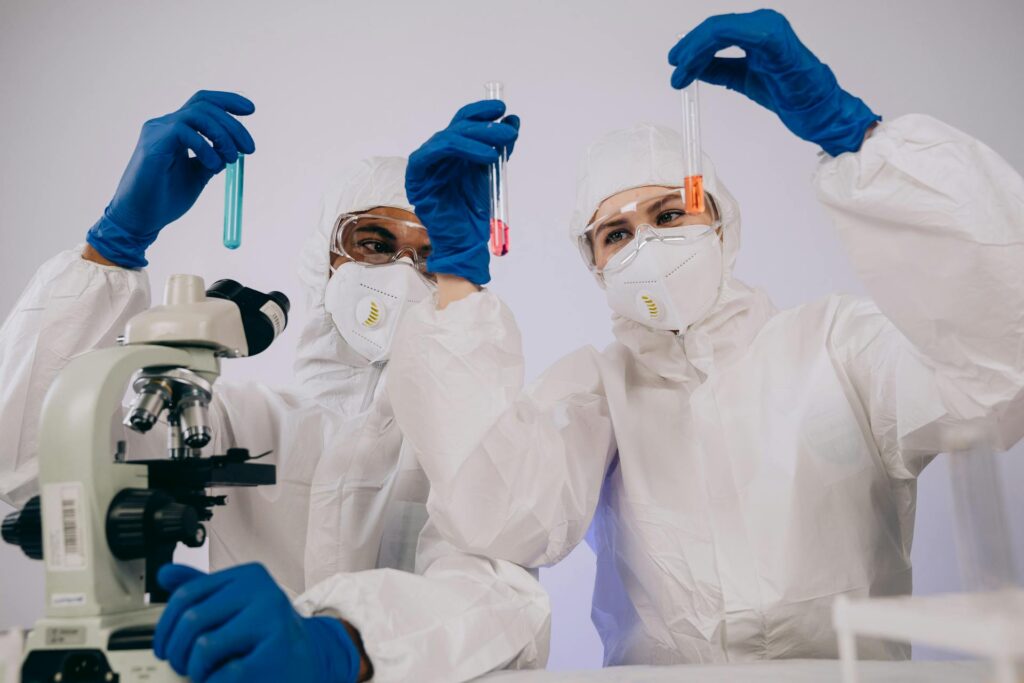
Testing before shipment protects your business from rejection, builds buyer confidence, and ensures your products meet global chemical safety standards.
For Pakistan’s textile and leather industry, proper azo dyes testing is not just compliance — it is smart business.